When the Bees Go, We're All Buggered
My daughter gets stung weekly and still told me to write this.
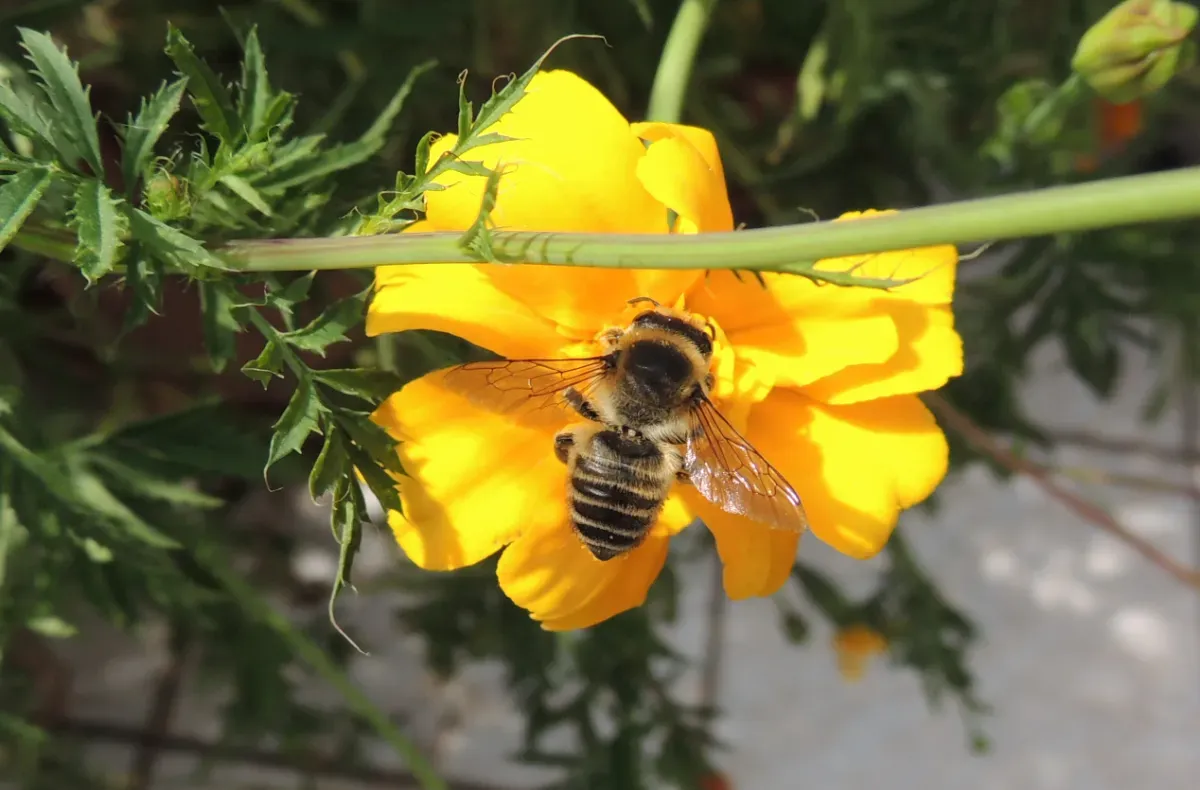
My daughter, Jennifer, hates bees, wasps and anything that might sting her. I don't blame her. She's a magnet for them. They'll ignore everybody else present and make a beeline (see what I did there?) straight for her. She'll start waving her arms about and jumping around, inevitably hitting one, which will immediately retaliate and do what bees do.
Of course she doesn't really hate bees, she just hates getting stung by them. I love them, but then I've only been stung once in my life, and that was a wasp, so it's easy for me to be generous.
Jennifer says she gets stung once a week and claims to be the only person ever stung on the soles of her feet and armpits. Not once but twice.
I've stopped asking how.
Jenny (who hates me calling her Jenny, by the way) is very clever, which she obviously gets from her mother. She works as Social Media Strategist for MUSE, the science museum in Trento, and to say I'm proud of her would be a gross understatement.
I've managed to teach her to drink tea, though she's not fully civilised yet as she insists on drinking it without milk. During one of our terrace tea sessions she watched me jump up mid-conversation, for the third time, to photograph a bee on the marigolds. Instead of the usual eye-roll, she suggested I point the blog at the bee situation itself. Apparently the people who study these things for a living, the entomologists and apiologists, are worried.
So I looked into it. And what I found genuinely shocked me.
Welcome to the Apocalypse
Here it is in plain terms: if bees disappeared tomorrow, we'd be absolutely fucked. And I don't mean that in a vague, "oh dear, how unfortunate" sort of way. I mean properly, catastrophically, start-learning-to-love-a-diet-of-bread-and-rice fucked.
Around three-quarters of the world's major food crops depend to some extent on pollinators, with bees doing a huge share of the work. Even allowing for the crops that would survive without them, losing bees would make our diets considerably poorer, duller and way more expensive.
Apples? Gone. Almonds? History. Blueberries, cucumbers, melons? Wave them goodbye. And here's where it gets personal in our house: coffee and chocolate production would plummet.
Jennifer's daily cappuccino would become a luxury item. My emergency stash of dark chocolate would be worth more than my pension. Neither of us would cope.
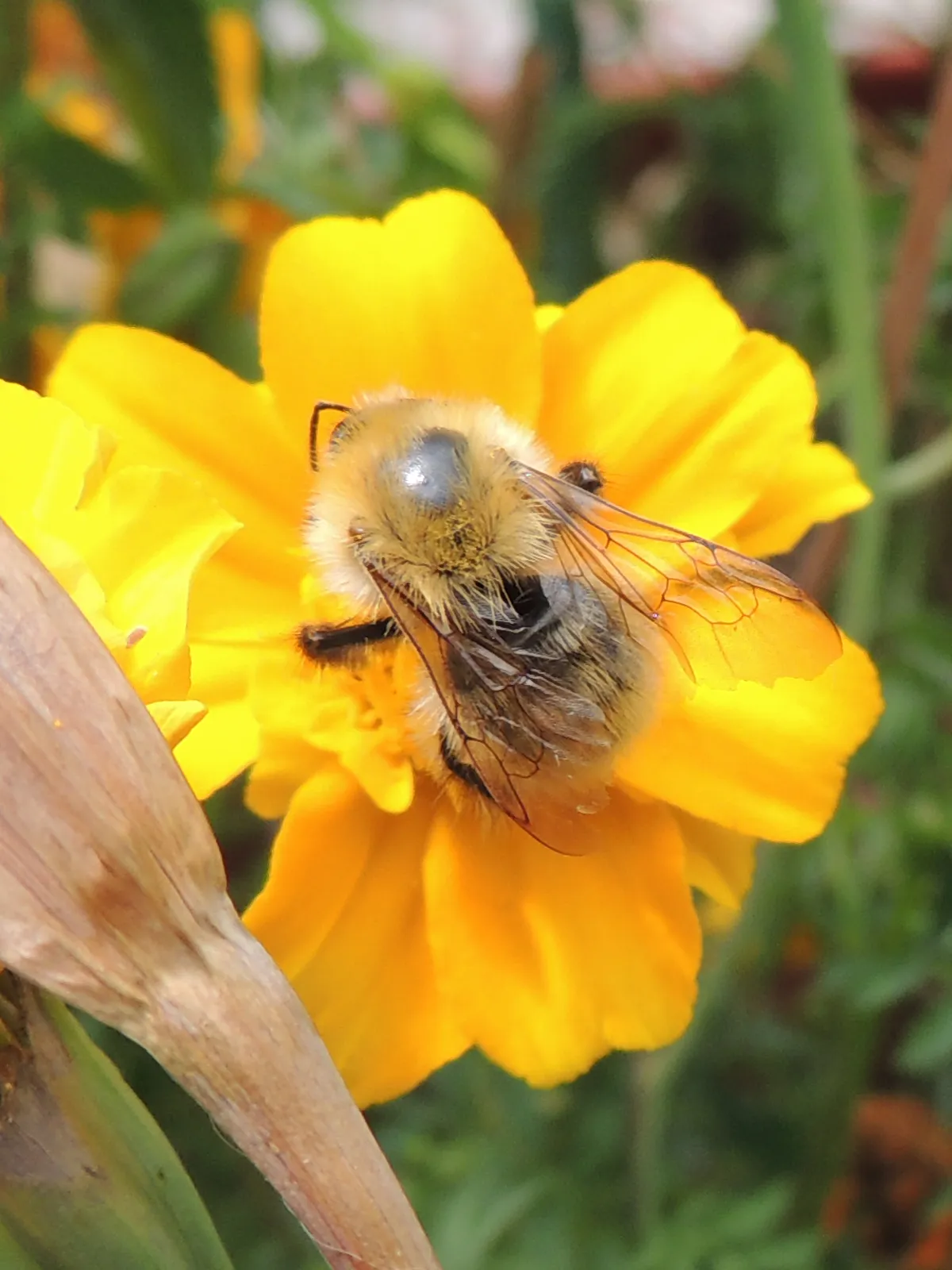
Economists value their free labour at $200 billion a year. That number means nothing until you imagine it gone. Entire farming communities would collapse. We'd all be queuing up to pay fifty quid for an apple like it's some sort of exotic delicacy.
The wider ecosystem would have a nervous breakdown. Wild plants couldn't reproduce, which means fewer plants, which means fewer animals, and the whole natural world starts unravelling like a cheap jumper.
What would we be left with? Wind-pollinated crops. Wheat, rice, corn. A thrilling lifetime of bread, pasta and porridge.
In parts of China, farmers have even hand-pollinated apple and pear trees, touching individual blossoms with brushes. Pesticide damage to local pollinators was part of the story, although economics and farming practices played a role too.
Either way, imagine attempting that for every orchard on the planet. We'd need to conscript every art student alive, and Jennifer would be first against the wall for volunteering me.
And the really cheerful bit? Many wild bee and other pollinator populations are already in trouble, thanks to the usual suspects: habitat loss, pesticides, climate change, disease and the general human habit of making the world considerably less hospitable to anything smaller than us.
While I've been out on the terrace photographing my garden visitors and thinking they're just providing me with blog content, they've been quietly holding up the entire food system.
Jennifer might hate getting stung by them. But it turns out we need them a lot more than they need us.
She finished her tea, milk-less as ever, and told me to write that down.
So I have.