The Borage Disaster
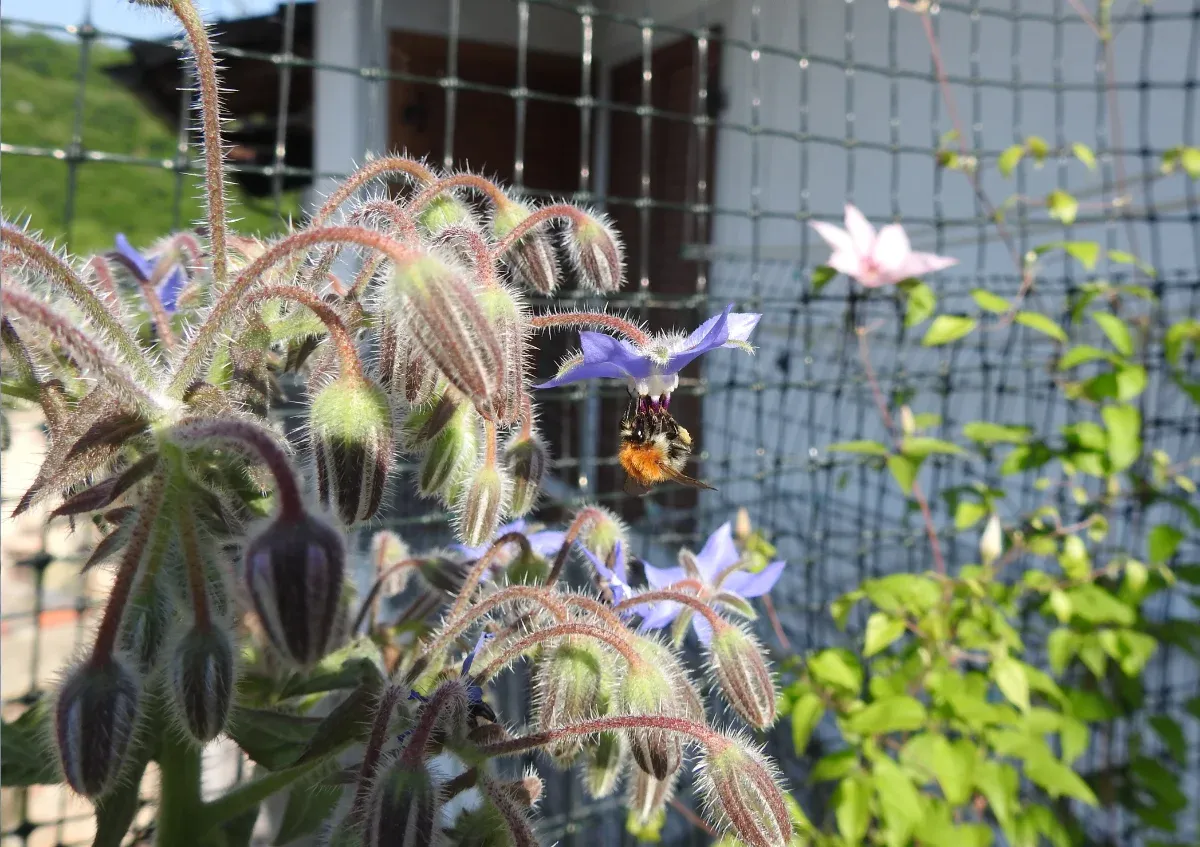
Last year I wrote about turning my small patio garden into a pollinator paradise.
Well, that was the plan.
One of the main protagonists in this scheme was borage. Borage, the internet assured me, is brilliant for pollinators because it continuously replenishes its pollen. The bees would be queuing up.
I ordered four plants. When they arrived they looked a bit like cabbages. Then they started growing. And growing. Stems and bud sites everywhere.
Borage is not a handsome plant, it has the general bearing of something that escaped from a laboratory, but the blue flowers were beautiful and the bees did indeed love them.
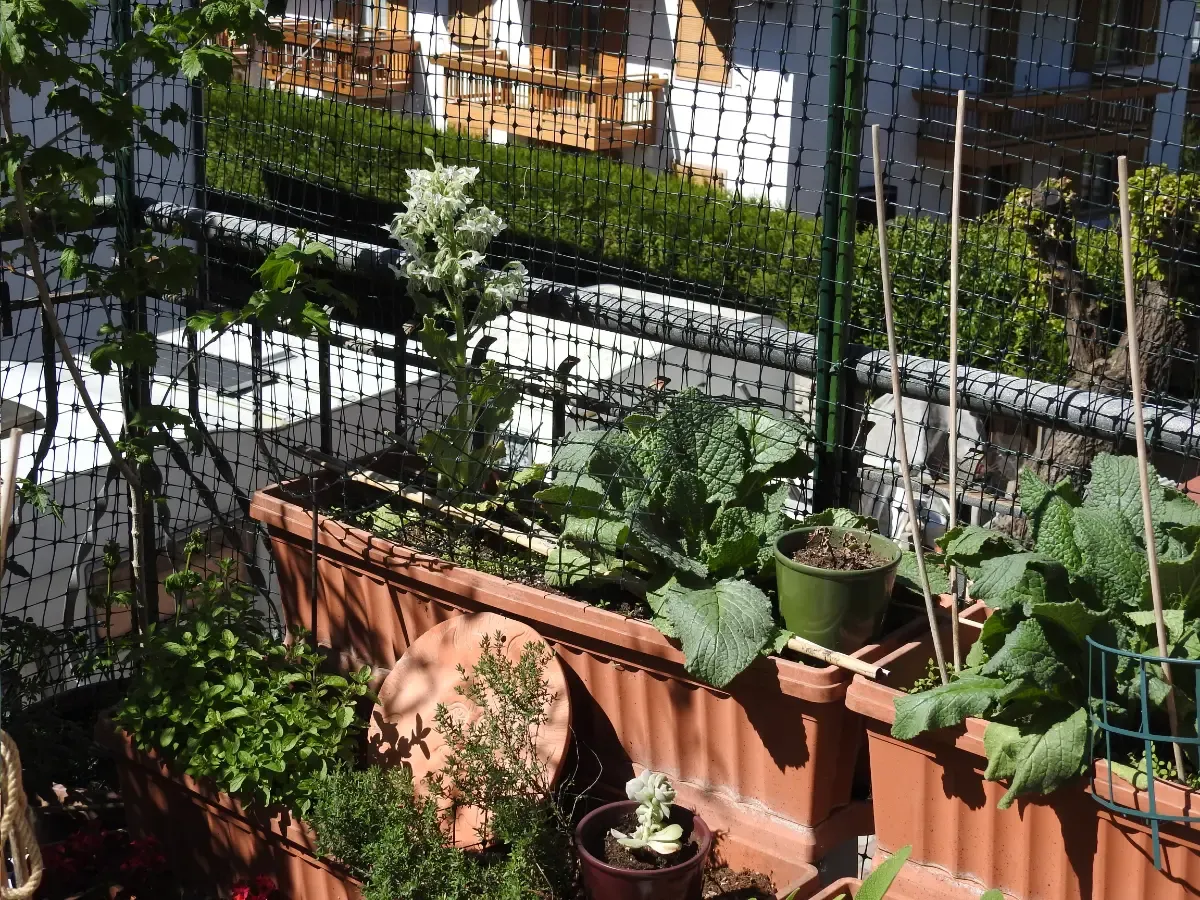
The problem, we quickly learned, is that borage is not meant for pots. It wants a proper garden and open ground, or at the very least one enormous pot to itself.
This gardening genius had planted all four in a line, in planters about 20 centimetres deep.
They coped, just about, but needed constant watering and were living on borrowed time.
Then came the storm. It rained heavily for a couple of hours, and the next morning most of the stems had snapped. The weight of the water sitting on all those flowers and buds was too much, and the hollow stems simply gave way.
That's the thing nobody mentions about borage: it's built like a drinking straw.
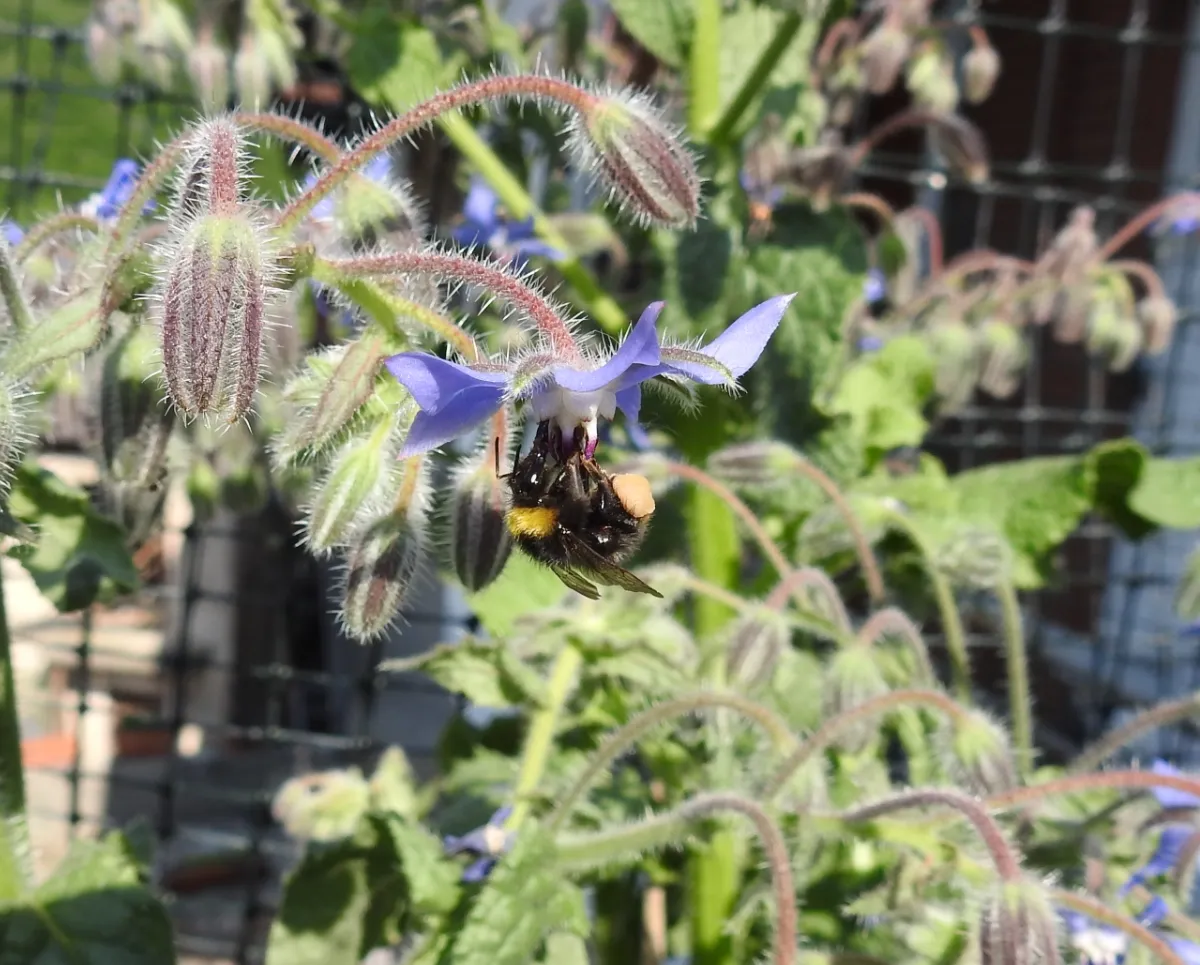
We waited a couple of days to see if anything could be salvaged. Nothing could. So with a heavy heart we "unplanted" the borage, which is a gentler word for what we did, and replaced it with marigolds.
Neither of us even likes pulling weeds, so ripping out four plants we'd raised from cabbage-lookalikes felt like a small betrayal.
The bees have registered a formal complaint.