How I Became a Garden Vigilante: My War Against the Tiny Green Mafia
A terrace gardener's descent into sanctioned bug murder
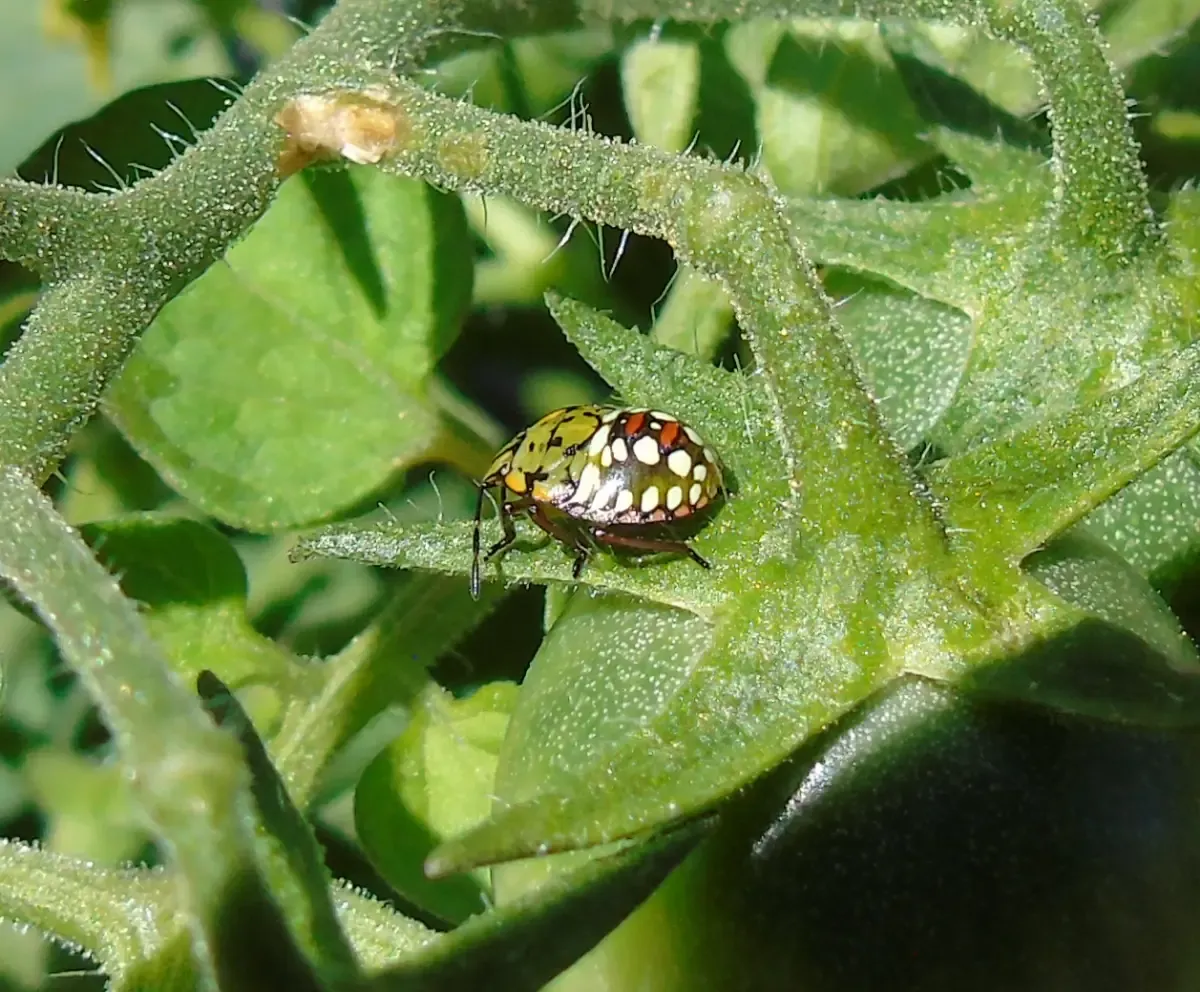
When invasive stink bugs turn your peaceful tomato sanctuary into a crime scene, sometimes you have to take matters into your own hands (literally).
Meet Nezara viridula. Also known as the Southern Green Stink Bug. Also known as the reason I now have trust issues in my terrace garden.
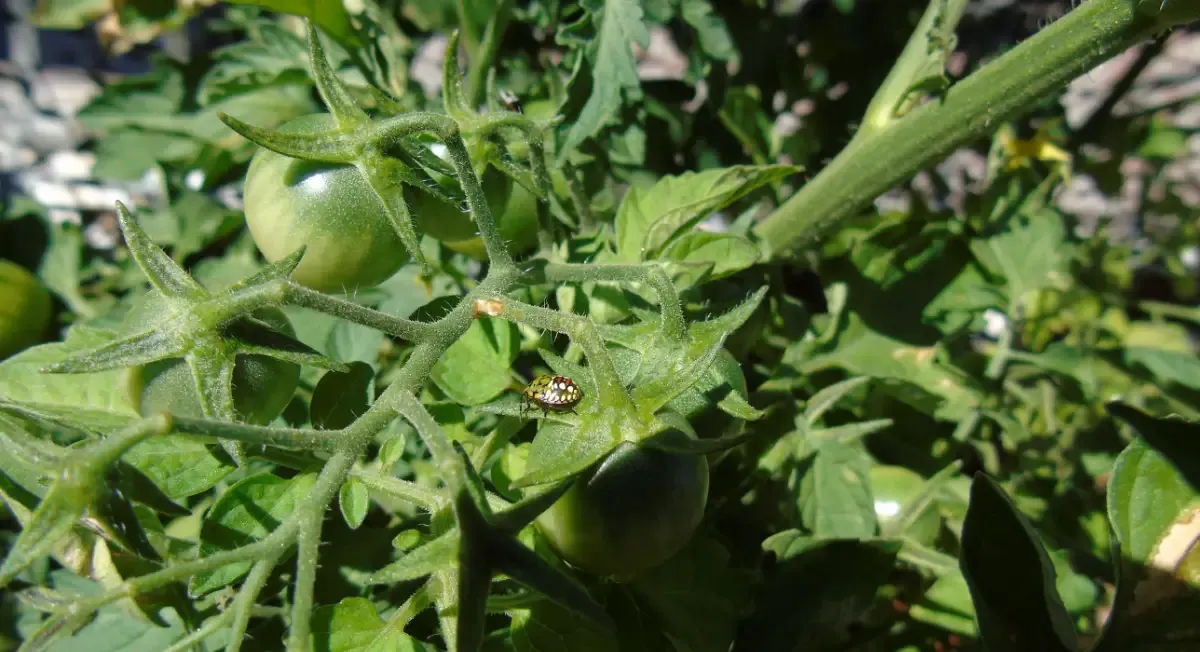
So there I was, peacefully tending to my three tomato plants (grown lovingly from seed, we're talking proper horticultural parenting here), when I noticed them.
Tiny.
Brightly coloured.
Shiny.
Smug.
Nezara viridula had arrived.
The Teenage Delinquent Phase
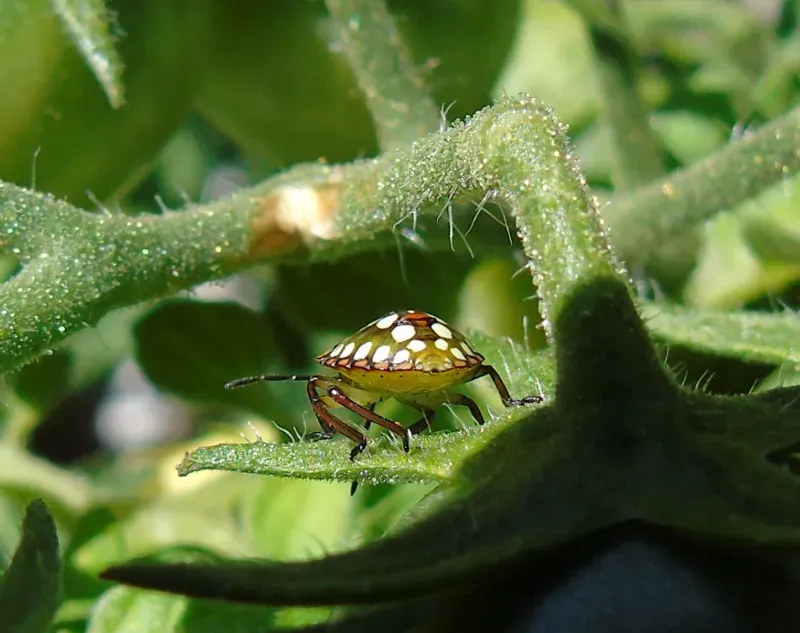
Here's where it gets slightly embarrassing for my insect identification skills: these little menaces weren't actually green. Despite the name, the Southern Green Stink Bug only turns green in adulthood. The colourful criminals on my tomatoes were in their third instar, which is essentially the teenage phase.
An instar, for those who didn't major in Things That Eat My Vegetables, is a growth stage for insects. Bug puberty, but with more moulting. According to iNaturalist, mine were at the sweet spot: old enough to cause maximum damage, young enough to still be showing off with flashy colours.
So technically, I committed infanticide against a bunch of flamboyant bug teenagers.
Zero regrets.
The Invasion
Nezara viridula is an invasive species, originally from Ethiopia. It is now gallivanting across the globe like it owns the place, and it had decided to colonise my tomatoes.
You grow your own food.
You water it.
You whisper sweet nothings to it during your morning coffee.
And then one day you lean in and find a stink bug casually piercing your beloved tomato with its little beaky face-straw, leaving behind dimpled, discoloured patches and an open door for rot.
Tomatoes are only the start. Beans, peppers, courgettes, sweetcorn, cabbages, they'll pierce and drain the lot. Nothing in the garden is sacred to them.
I did what any rational, plant-loving, tomato-defending human would do.
I squashed them. With my fingers. I didn't even flinch. Invasive pest in Italy, eating my tomatoes: that's a capital crime in my garden jurisdiction.
Squashing them does release their signature eau de despair (stink bug juice smells like bad decisions and leaf rot), but justice was served.
Official Sanction for Garden Vigilantism
Our local agricultural institute, L'Istituto Agrario di San Michele all'Adige, has issued what amounts to a botanical fatwa against these things. They have literally begged gardeners to kill stink bugs on sight, whatever type, no questions asked. When agricultural scientists are telling the public to shoot first and ask questions later, you know the situation is serious.
So when I squashed those bugs with my bare hands, I was performing my civic duty as a responsible gardener. Badge of honour, really.
For the More Civilised Gardener
If thumb-wrestling insects to death isn't your style, there are gentler options. A few drops of washing-up liquid in a spray bottle strips off their waxy coating and sends them sliding off your plants to a soapy end.
Neem oil doesn't kill them, it just makes life unpleasant enough that they relocate, the horticultural equivalent of playing death metal at full volume until the neighbours move out.
Marigolds, basil and nasturtiums planted around the tomatoes act as bouncers, smelling wrong to bugs and right in your kitchen.
Best of all is the dawn patrol: out early with a jar of soapy water, picking off the drowsy ones before they've had their coffee. Meditative, in a slightly murderous way.
The Emotional Aftermath
They say every life has value, and that's a lovely thought. The people who say it were not looking at my tomato plants.
My modest garden (three tomato plants, three cucumbers, six bell peppers) won't save us in a zombie apocalypse. But these plants are the legacy of springtime dreams, born of seed trays and stubborn hope, and I'll be buggered if I let Nezara viridula ruin that.
Gardening teaches you that sometimes you have to make hard choices. Sometimes you have to be the villain in someone else's story, even if that someone is a stink bug.
R.I.P. stink bugs.
May your next life involve a strong aversion to solanaceous crops.